



The Role of Physical Therapy in Orthopedic Recovery: Benefits, Challenges & Recovery Process
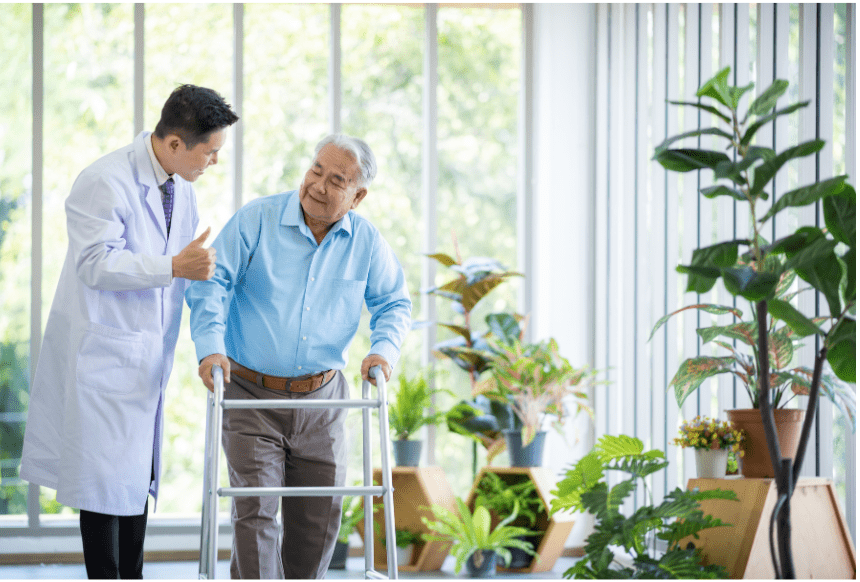
Orthopedic injuries and surgeries can significantly impact your daily life, mobility, and independence. Whether you’re recovering from a fracture, joint replacement, sports injury, or spinal condition, physical therapy plays a crucial role in helping you regain strength, movement, and confidence.
Physical therapy is much more than just exercises. It is a comprehensive rehabilitation program designed to restore function, manage pain, improve mobility, and prevent future injuries.
What is Physical Therapy?
Physical therapy is a specialized healthcare service focused on restoring movement, improving physical function, and enhancing overall quality of life. In orthopedic recovery, physical therapists use evidence-based techniques to help patients recover safely and effectively after injury or surgery.
The Role of Physical Therapy in Orthopedic Recovery
Physical therapy is an essential part of the recovery process for many orthopedic conditions. It helps patients return to their normal activities while reducing the risk of complications and re-injury.
Pain Management
Physical therapists use various techniques to reduce pain and discomfort, including:
- Manual therapy
- Heat therapy
- Cold therapy
- Electrical stimulation
- Therapeutic exercises
These treatments help improve comfort and promote healing throughout the recovery process.
Improving Range of Motion
After surgery or injury, stiffness and limited movement are common. Physical therapy helps restore flexibility and joint mobility, allowing patients to perform daily activities more comfortably.
Strengthening Muscles
Targeted strengthening exercises help rebuild muscles surrounding the injured area. Strong muscles provide better support, stability, and protection against future injuries.
Enhancing Balance and Coordination
Physical therapists help retrain balance, coordination, and body awareness, which are essential for walking, climbing stairs, and performing routine tasks safely.
Functional Restoration
The primary goal of physical therapy is to help patients regain their ability to perform daily activities, return to work, participate in sports, and enjoy a better quality of life.
Preventing Re-Injury
By teaching proper body mechanics, posture correction, and safe movement techniques, physical therapists help reduce the risk of future injuries.
The Physical Therapy Process
Every rehabilitation program is tailored to the individual patient’s needs and goals.
Initial Evaluation
Your physical therapist will conduct a comprehensive assessment to understand:
- Your medical condition
- Pain levels
- Mobility limitations
- Muscle strength
- Functional challenges
Goal Setting
Together with your therapist, realistic recovery goals will be established. These goals may include reducing pain, increasing mobility, improving strength, or returning to specific activities.
Personalized Treatment Plan
Based on the evaluation, a customized treatment plan is developed, which may include:
- Therapeutic exercises
- Manual therapy
- Pain management techniques
- Balance training
- Patient education
Progress Monitoring
Your therapist will continuously assess your progress and adjust your treatment plan to ensure optimal recovery.
Home Exercise Program
Patients are provided with exercises to perform at home, helping reinforce treatment and accelerate recovery.
Common Orthopedic Conditions Treated with Physical Therapy
Joint Replacement Recovery
Patients undergoing knee, hip, or shoulder replacement surgery require structured rehabilitation to restore mobility, strength, and function.
Fracture Rehabilitation
Physical therapy helps reduce stiffness, restore range of motion, and strengthen muscles after bone fractures.
Sprains and Strains
Targeted rehabilitation programs help reduce pain, swelling, and functional limitations caused by ligament and muscle injuries.
Rotator Cuff Injuries
Specialized exercises and manual therapy techniques help strengthen shoulder muscles and improve movement.
Osteoarthritis
Physical therapy can reduce pain, improve joint function, and help slow the progression of arthritis-related limitations.
Back and Neck Pain
Therapists identify the underlying causes of spinal pain and develop treatment plans to improve posture, strength, and flexibility.
The Importance of Patient Participation
Successful rehabilitation requires active participation from the patient.
Communicate Openly
Always discuss your pain levels, concerns, and recovery goals with your therapist.
Stay Consistent
Regular attendance at therapy sessions and adherence to home exercises are critical for achieving the best outcomes.
Listen to Your Body
While effort is important, avoid overexertion and follow your therapist’s guidance.
Set Realistic Expectations
Recovery takes time. Celebrate small milestones and focus on consistent progress.
Challenges of Physical Therapy During Orthopedic Recovery
Although physical therapy offers tremendous benefits, patients often face challenges during the rehabilitation process.
Pain During Rehabilitation
Some discomfort is expected while rebuilding strength and mobility. Open communication with your therapist helps ensure exercises remain safe and effective.
Frustration with Slow Progress
Recovery is rarely linear. Temporary setbacks can occur, but gradual improvement is normal and expected.
Lack of Motivation
The commitment required for therapy can sometimes feel overwhelming. Setting achievable goals and celebrating progress can help maintain motivation.
Fear of Re-Injury
Many patients worry about causing further damage. Therapists provide guidance and reassurance to help patients regain confidence safely.
Time Constraints
Balancing therapy sessions, home exercises, work, and family responsibilities can be challenging. Prioritizing recovery is essential for long-term success.
Physical Limitations
Temporary mobility restrictions can impact independence and emotional well-being during recovery.
How to Overcome Physical Therapy Challenges
Maintain Open Communication
Discuss concerns, discomfort, and expectations with your therapist regularly.
Set Achievable Goals
Breaking large goals into smaller milestones helps maintain motivation and confidence.
Build a Support System
Family members, friends, and support groups can provide encouragement throughout recovery.
Practice Stress Management
Techniques such as meditation, deep breathing, and mindfulness can help reduce stress and improve focus during rehabilitation.
Stay Patient and Persistent
Successful recovery takes time. Consistency and dedication are key to achieving long-term results.
Conclusion
Physical therapy is one of the most important components of orthopedic recovery. It helps manage pain, restore mobility, rebuild strength, improve function, and prevent future injuries.
While the rehabilitation journey may present challenges, the benefits far outweigh the temporary difficulties. With expert guidance, dedication, and patience, patients can successfully regain their strength, mobility, and independence.
If you have any questions regarding orthopedic recovery or rehabilitation, schedule a consultation with Dr. Sushil Kulkarni (Orthopedic & Joint Replacement Surgeon) and receive expert guidance tailored to your condition.